Source vegan feverfew extract for capsules, tablets, and food
Find 30 listings for vegan feverfew extract powder suitable for capsules, tablets, and paste applications. Buyers can compare specifications, certifications, and pricing from verified Chinese manufacturers offering food and health care grade options.
Key considerations
Products List






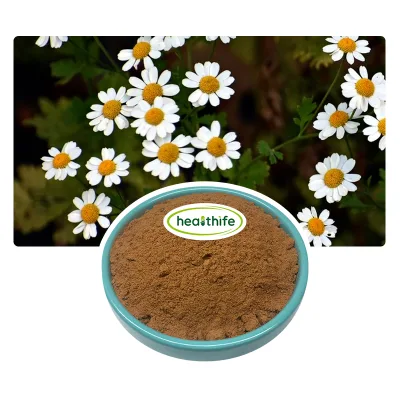


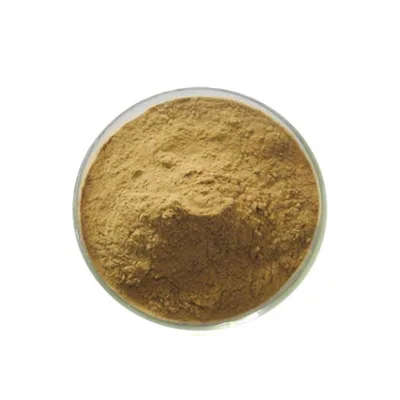


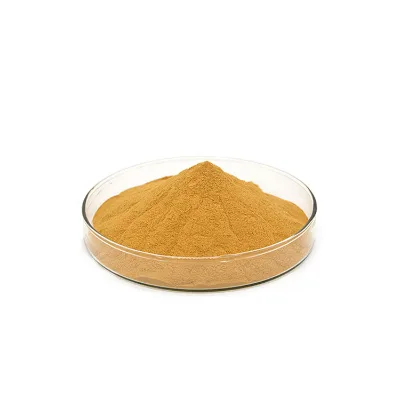

Comprehensive Sourcing Guide
Strategic Sourcing Guide for Vegan Feverfew Extract
Understanding the Product Profile and Technical Specifications
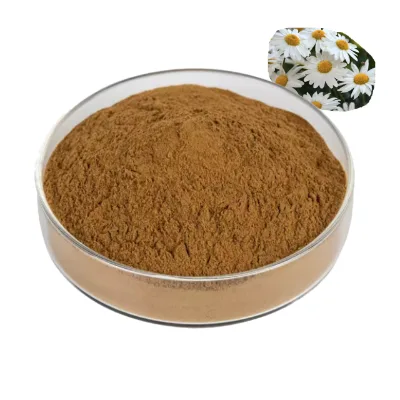
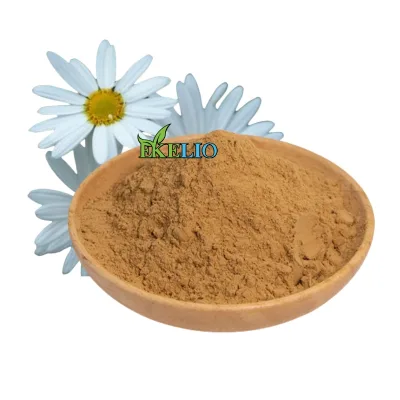
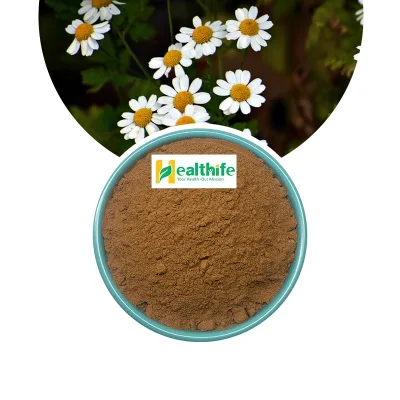
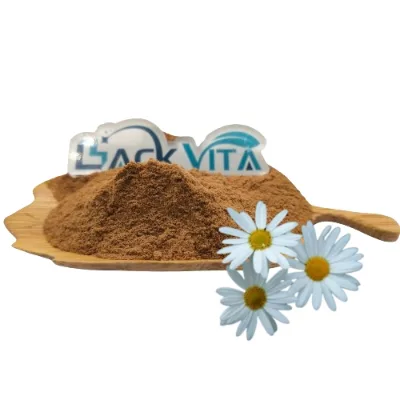
Sourcing vegan feverfew extract requires a precise understanding of the botanical source and the physical characteristics of the final material. The core product is derived from the Tanacetum parthenium plant, specifically utilizing the flower part, which distinguishes it from extracts derived from other plant parts like bark or roots. The material is presented as a fine powder, typically exhibiting a brown to brown-yellow coloration. This physical state is critical for downstream manufacturing, as the powder form offers versatility in blending and processing.
The extraction process is predominantly conducted via solvent extraction, a method that ensures the efficient isolation of active compounds while maintaining the integrity of the botanical profile. A key technical specification for buyers to verify is the extraction ratio, which is commonly observed in the market as 10:1. This ratio indicates that ten kilograms of raw plant material are required to produce one kilogram of the final extract, a standard metric for evaluating concentration and value. The product is classified as a herbal extract and is explicitly suitable for vegan formulations, ensuring no animal-derived processing aids or fillers are introduced during manufacturing.
The physical attributes extend to the packaging dimensions and weight. Standard single packages often measure 20x30x6 cm, with a gross weight of approximately 1.2 kg for smaller units, while bulk shipments are typically contained in drums. The product is available in various grades, including food grade and cosmetic grade, which dictates the permissible impurity levels and the intended end-use application. Buyers must ensure that the specific batch they procure aligns with the required grade for their manufacturing line, as the regulatory implications differ significantly between food and cosmetic applications.
Compliance Framework and Certification Verification
In the global supply chain, compliance is not merely a preference but a prerequisite for market access. For vegan feverfew extract, the regulatory landscape is stringent, particularly regarding safety and origin. The product is confirmed to be free of genetically modified organisms (GMO), a critical attribute for buyers targeting organic or non-GMO markets. Furthermore, the material is free from nanomaterials, addressing emerging safety concerns regarding particle size and bioavailability in dietary supplements.
Certification status serves as the primary verification tool for buyers. High-confidence data indicates that suppliers often hold ISO certification, which validates the quality management systems in place. Beyond ISO, a robust supplier portfolio may include HACCP, FDA, BRC, and RoHS certifications. These certifications cover various aspects of safety, from hazard analysis and critical control points to restrictions on hazardous substances. The presence of FDA registration is particularly significant for products intended for the North American market, while BRC certification is often a requirement for European retailers.
A specific and critical compliance standard for this botanical is the regulation regarding Pyrrolizidine Alkaloids (PAs). These are naturally occurring toxins found in some plants that can be hepatotoxic. The supplied context confirms that the product is in compliance with Regulation EU 2020/2040. This regulation sets strict limits on PAs in food and herbal products. Buyers must not assume compliance; instead, they must request current test reports that explicitly reference this regulation to ensure the specific batch meets the European safety thresholds. Additionally, the product is stated to be free from irradiation, a processing method that some buyers prefer to avoid due to consumer perception and potential nutrient degradation.
Cost Drivers and Economic Considerations
The pricing structure for vegan feverfew extract is influenced by a complex interplay of factors, including raw material availability, extraction efficiency, and certification costs. The observed market price range spans from $0.01 to $200 per unit, reflecting the vast difference between bulk raw material pricing and highly processed, certified, or small-batch samples. This wide range underscores the importance of defining the exact purchase volume and quality tier before engaging in negotiations.
Minimum Order Quantity (MOQ) is a significant economic driver. The market data shows an MOQ range from 1 kg to 300,000 units. For small businesses or those testing a new product line, an MOQ of 1 kg is highly accessible, allowing for low-risk market entry. Conversely, large-scale manufacturers may negotiate volumes in the hundreds of thousands, which can significantly lower the unit cost but requires substantial capital commitment and storage capacity. The standard MOQ for many suppliers is listed as 1 kg, which serves as a baseline for most procurement inquiries.
Payment terms also play a role in the total cost of ownership. Standard payment methods include PayPal, Western Union, Telegraphic Transfer (TT), and Trade Assurance. Trade Assurance is particularly valuable for international buyers as it offers a layer of financial protection, ensuring that funds are only released upon fulfillment of agreed-upon terms. Buyers should consider the currency exchange risks and the timing of payments when calculating the true cost. The shelf life of the product, typically two years, also impacts cost planning; longer shelf life reduces the risk of inventory obsolescence, whereas shorter shelf life may necessitate a just-in-time inventory strategy to avoid waste.
Typical Applications and Formulation Versatility
The versatility of vegan feverfew extract makes it a valuable ingredient across multiple industries. The primary application sectors are health care products and food, with specific use cases extending into cosmetics and pharmaceuticals. The extract is suitable for a wide array of application forms, including capsules, tablets, pastes, suppositories, lotions, and injections. This broad compatibility allows formulators to integrate the extract into various delivery systems depending on the desired therapeutic effect or consumer preference.
In the food and health food sector, the extract is often utilized in dietary supplements aimed at managing inflammation or supporting general wellness. The powder form allows for easy mixing into beverages, powders, or direct encapsulation. For cosmetic applications, the extract's properties are leveraged in lotions and topical treatments, where its anti-inflammatory potential is sought after. The fact that the product is suitable for vegan formulations expands its marketability to the growing segment of consumers who avoid animal-derived ingredients.
The extraction type, specifically solvent extraction, ensures that the active compounds are effectively delivered in the final product. However, formulators must be aware of the residual solvent levels, which should be verified through the supplier's quality reports. The product's appearance as a brown-yellow fine powder also influences the aesthetic of the final product, which may require masking or blending in certain applications. The specification of the model number, often referred to as "feverfew extract powder," helps in standardizing the product description across different suppliers and regulatory filings.
Supplier Evaluation and Sourcing Strategy
Selecting the right supplier is a critical step in the procurement process. The evaluation should go beyond price and focus on the supplier's ability to consistently deliver high-quality, compliant products. The place of origin is a key factor, with the majority of the supply coming from Shaanxi, China. This region is known for its extensive herbal cultivation and processing infrastructure. Buyers should verify the specific cultivation method, which is often artificial planting, to ensure it aligns with their sustainability goals.
When evaluating suppliers, buyers should request documentation that confirms the part used (flower) and the extraction method (solvent extraction). The presence of a brand name, such as GRHERB, can indicate a level of market maturity, but buyers should not rely solely on brand recognition. Instead, they should focus on the supplier's track record in providing samples, typically 10-20g, which allows for internal testing before committing to a larger order.
The supplier's ability to handle different packaging requirements is also essential. Options range from 1kg/Alu-Foil bags to 25kg drums, with vacuum packing available for enhanced protection. The packaging details, such as the use of aluminum foil bags and drums, are designed to protect the extract from moisture and light, which can degrade the active compounds. Buyers should ensure that the packaging is robust enough to withstand international shipping conditions.
Quality Control and Testing Protocols
Quality control is the backbone of a reliable supply chain for herbal extracts. The testing methods employed by suppliers are critical for verifying the purity and potency of the product. Common assay methods include UV (Ultraviolet), HPLC (High-Performance Liquid Chromatography), GPC (Gel Permeation Chromatography), and HPLC-MS (Mass Spectrometry). These methods provide a comprehensive analysis of the chemical composition, ensuring that the active markers are present in the specified concentrations.
The test method for identification often includes TLC (Thin Layer Chromatography), which is a quick and effective way to confirm the botanical identity. For quantitative analysis, HPLC is the gold standard, providing precise measurements of the active constituents. Buyers should insist on a Certificate of Analysis (CoA) that details the results of these tests for every batch. The CoA should also confirm the absence of contaminants, such as heavy metals, pesticides, and microbial pathogens, which are not explicitly detailed in the general product facts but are standard expectations for food and cosmetic grades.
The shelf life of the product is typically two years, provided it is stored under appropriate conditions. Buyers should verify the storage recommendations with the supplier to ensure the product maintains its quality throughout its lifecycle. The packaging details, such as the use of Alu-Foil bags and drums, are designed to maintain the stability of the extract. Regular quality audits and third-party testing can further validate the supplier's quality control processes, ensuring long-term consistency in the supply chain.
Long-Term Procurement and Supply Chain Resilience
Building a resilient supply chain for vegan feverfew extract requires a strategic approach that considers long-term stability and risk mitigation. The seasonality of the product is noted as "All Seasons," which suggests a stable supply of raw materials due to artificial planting methods. This reduces the risk of supply disruptions caused by seasonal harvest variations. However, buyers should still monitor the cultivation methods and potential environmental factors that could impact the quality of the raw plant material.
Long-term contracts can provide price stability and ensure priority access to high-quality batches. Given the wide range of MOQs, buyers can start with smaller orders to build a relationship with the supplier before scaling up. The payment terms, including Trade Assurance, offer a safety net for these transactions. Buyers should also consider the lead times and logistics, ensuring that the supply chain can accommodate fluctuations in demand without compromising product quality.
Sustainability is another long-term consideration. The artificial planting method and the free-GMO status align with sustainable sourcing practices. Buyers should engage with suppliers who demonstrate a commitment to environmental stewardship and ethical labor practices. This not only mitigates reputational risk but also aligns with the values of the growing vegan and health-conscious consumer base. By focusing on these long-term factors, buyers can secure a reliable supply of high-quality vegan feverfew extract that meets their regulatory and market requirements.
FAQs
What is the part used for vegan feverfew extract?
The product is derived from the flower part of the plant. This distinguishes it from extracts made from bark or roots, ensuring the specific botanical profile required for herbal formulations.
Which certifications do suppliers typically hold for this extract?
Suppliers often hold ISO, HACCP, FDA, BRC, and RoHS certifications. These validate quality management systems and safety standards required for food and cosmetic grade applications in international markets.
Can the extract be used in capsules and tablets?
Yes, the application forms include capsules, tablets, pastes, suppositories, lotions, and injections. This versatility allows formulators to integrate the brown powder into various delivery systems for health care products.
What is the standard extraction ratio for this product?
The specification is commonly 10:1, meaning ten kilograms of raw material yield one kilogram of extract. This ratio indicates the concentration level achieved through solvent extraction processes.
How is the product packaged for bulk shipping?
Standard packaging includes 1kg aluminum foil bags or 25kg drums. These options ensure protection from moisture and light, maintaining stability during storage and international transport for up to two years.
Is the extract free from genetically modified organisms?
Yes, the product is confirmed to be GMO free and nanomaterials free. This ensures compliance with strict safety regulations and suitability for organic or non-GMO targeted markets.